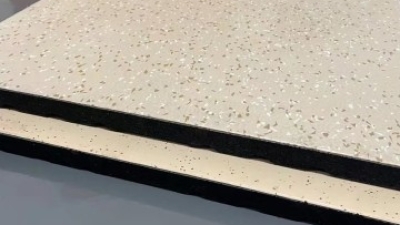
In the ever-changing world of fitness and training facilities, choosing the right materials is a big deal. Understanding the specs of Rubber Roll is especially important for buyers from all over the globe. Here at Sanhe Do It The Way Sporting Industrial Co., Ltd., we’re all about creating innovative, good-looking training spaces that meet the needs of sports venues, Gyms, and fitness centers alike.
In this blog, I’ll walk you through the seven key Rubber Roll specs that every international buyer needs to know. Knowing these details can help you pick the right products to ensure your space is safe, reliable, and performs at its best.
With this info in hand, you’ll be able to make smarter decisions—things that not only improve how your facility functions but also give your athletes and clients peace of mind.
So, let’s jump in and check out the main specs that can really take your training environment to the next level!
Understanding Different Types of Rubber Rolls: Benefits and Applications
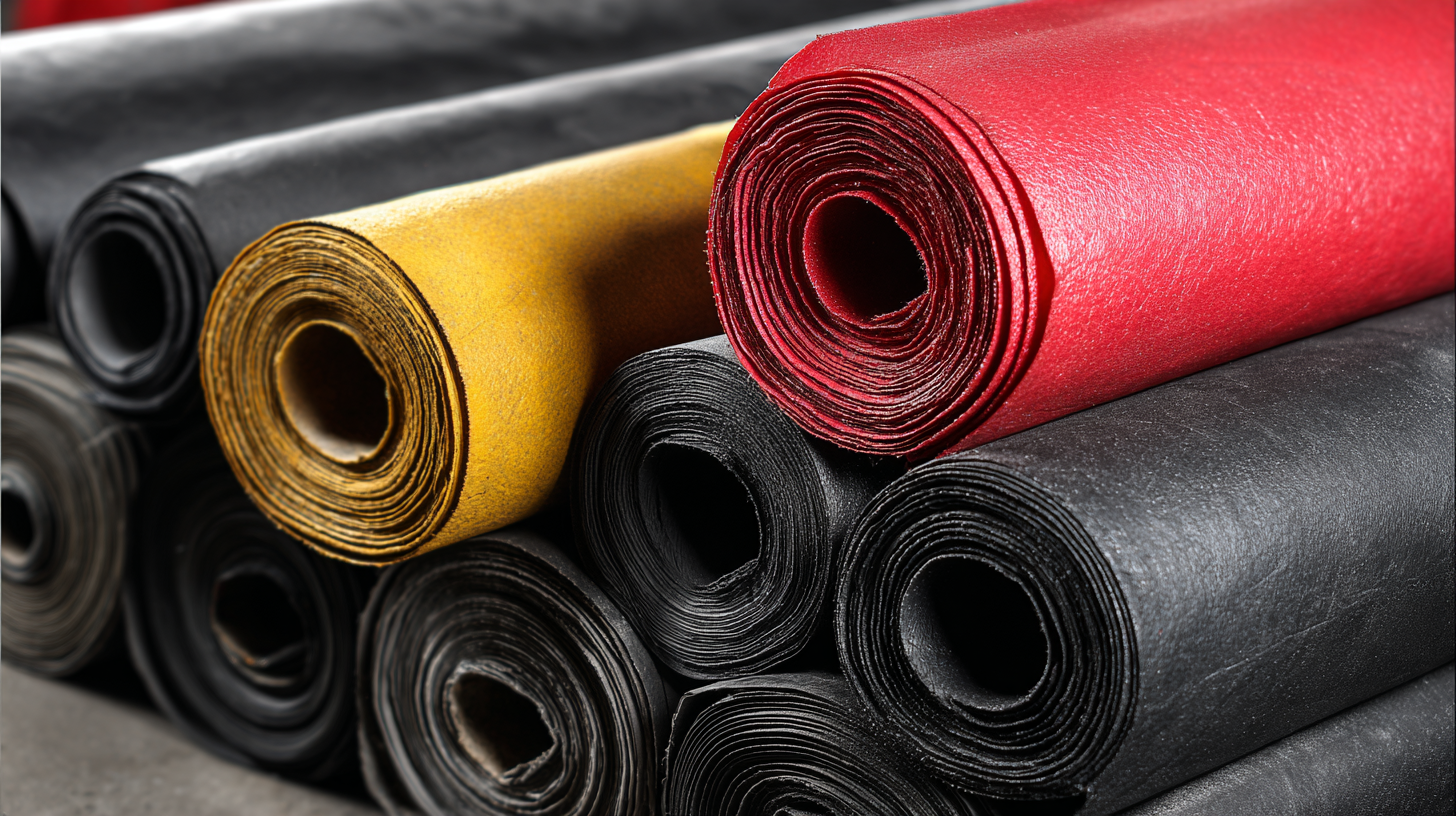
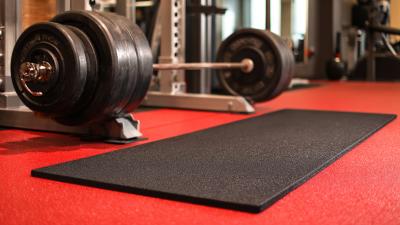
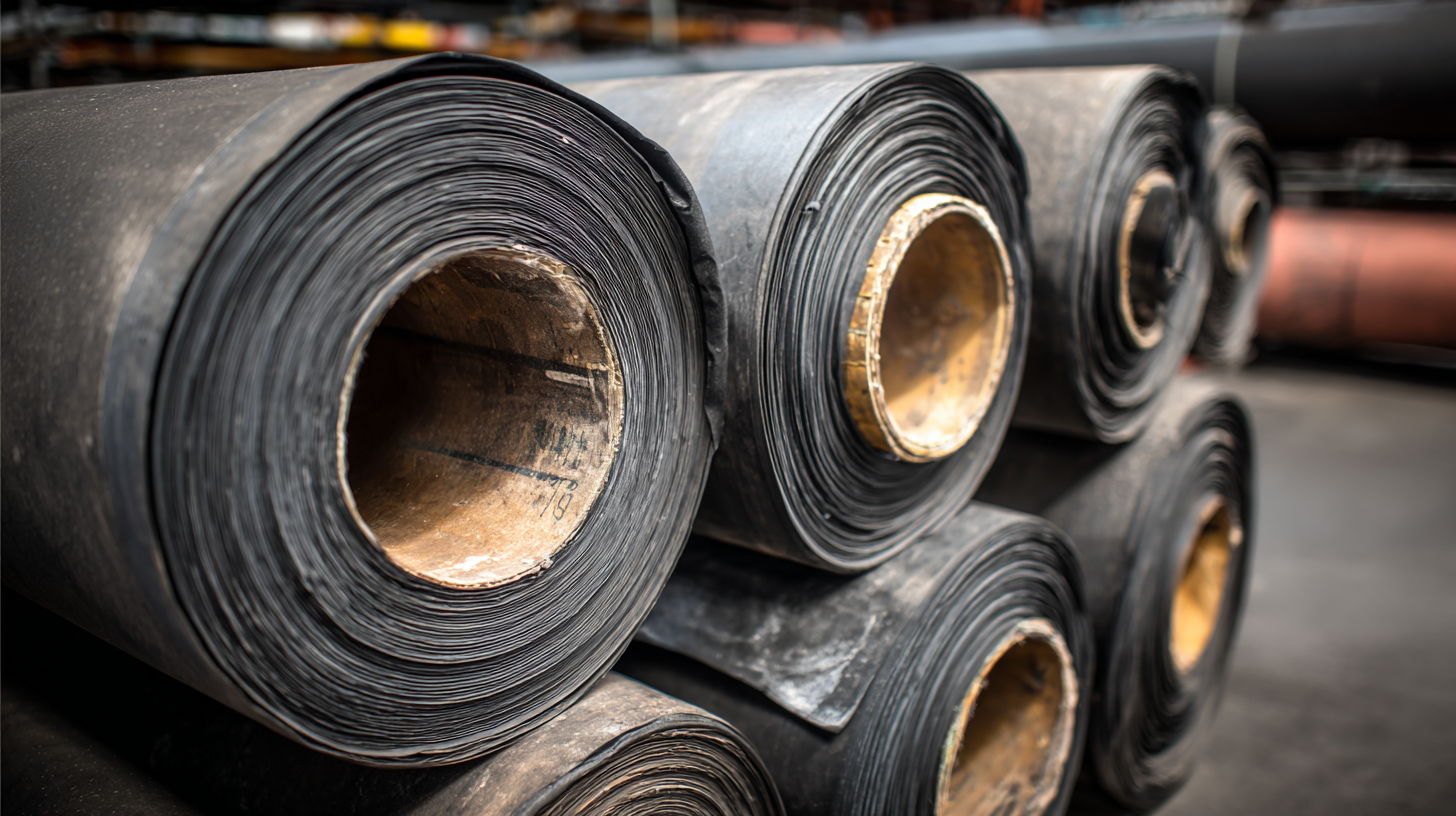
Rubber rolls are pretty common in a whole bunch of athletic and training setups, and they actually come in different types, each with their own perks and best uses. For example, high-density rubber rollsare a favorite in weightlifting areas — mainly because they’re super durable and do a great job absorbing shocks. A report from Freedonia Group even mentioned that the demand for Rubber Flooring is expected to grow about4.4% each year up to 2025. That growth is mainly thanks to more folks becoming health-conscious, plus the rise of new gyms and fitness centers popping up everywhere.
At Sanhe Do It The Way Sporting Industrial Co., Ltd., with their FITFLOR brand, they get how important it is to choose the right type of rubber roll depending on what you need it for. For instance, eco-friendly options made from recycled materials are really gaining popularity with buyers who wanna stick to more sustainable choices. Plus, non-slip rubber rolls are a must for serious workout spaces—they help keep athletes safe during those really intense sessions. With the global fitness industry projected to hit over $100 billion by 2025, understanding the different kinds of rubber rolls and what they’re good for isn’t just helpful — it’s kinda essential for anyone shopping around with a clear eye on quality and utility.
Comparing Natural and Synthetic Rubber Alternatives
When you're choosing rubber rolls for different jobs, it’s really important to understand the difference between natural and synthetic rubber—especially if you're a buyer from around the world. Natural rubber, which comes from rubber trees, is known for its great stretchiness and toughness. It works super well in situations where you'd need high tear resistance and durability. But, here’s the catch: it might not handle extreme heat or certain chemicals as well as synthetic rubber does.
On the flip side, synthetic rubber was actually made to fix some of those natural rubber limitations. There are different kinds—like SBR and EPDM—that offer better resistance to heat, aging, and chemicals. That makes them perfect for tough environments. Basically, as a buyer, you can pick the type of rubber based on what your specific conditions are like.
Pro tip: When you're choosing between natural and synthetic, think about where and how you’ll be using it. If your application involves high temps or chemicals, go with synthetic rubber—it's probably going to last longer.
Another tip: Always take a close look at the specs and performance data from the manufacturer. Making sure the rubber roll ticks all your boxes upfront can save you from headaches down the line, like replacing stuff too early or dealing with failure unexpectedly.
Selecting the Right Rubber Material for Specific Industry Needs
Choosing the right Rubber Material really matters, especially these days when everyone’s super focused on sustainability and saving our planet. It’s kind of a big deal, especially in industries like tire manufacturing, where innovators are constantly pushing the limits of what traditional rubber can do. For example, I recently came across a report that talks about how different types of carbon black can impact the strength of natural rubber—showing that tweaking formulations can both improve performance and make things a bit greener. Pretty cool, right?
When you're picking rubber, it’s not just about how strong or durable it is—think about the environmental side of things too. Things like “green” tires are gaining traction because they’re better for the planet without sacrificing quality.
And don’t forget, the additives we throw in can totally change the game—affecting how well the rubber works and how eco-friendly it is. Plus, you’ve got to be aware of how materials like steel and petroleum products play into all this—both in terms of benefits and the environmental downsides during manufacturing. Staying up-to-date on new sustainable rubber options really pays off because it helps you make smarter choices across the entire supply chain, from raw materials all the way to finished products.
So, bottom line—always look at the full picture when choosing rubber materials. It’s about finding that sweet spot between performance and keeping our planet happy.
Rubber Roll Specifications by Industry Preferences
Evaluating Durability and Performance Metrics in Rubber Rolls
When you're choosing rubber rolls for sports and training spaces, it's pretty important to get a handle on how durable and high-performing they are. Industry folks say that good quality rubber rolls need to pass certain resilience standards – basically, they should be tough enough to handle impacts without losing their looks. From what I’ve seen, rubber with a durometer rating somewhere between 60A and 80A hits that sweet spot—firm but still flexible enough to stand up to tough training sessions. This way, athletes can train safely without worrying about the flooring giving out.
Plus, performance factors like tensile strength and how well the rubber resists wear really matter if you want these rolls to last a long time. The folks at ASTM—they set the industry standards—recommend that rubber used in gyms should have a tensile strength over 1,000 psi and also meet certain abrasion resistance levels, like those in ASTM D2240. At Sanhe Do It The Way Sporting Industrial Co., Ltd., we really care about hitting those marks because we want our FITFLOR products to do their job perfectly—keeping things safe, durable, and innovative for sports training environments.
7 Essential Rubber Roll Specifications Every Global Buyer Must Know - Evaluating Durability and Performance Metrics in Rubber Rolls
| Specification | Measurement | Importance | Industry Standard | Typical Value |
| Durometer Hardness | Shore A | Determines elasticity and hardness | 60-80 Shore A | 70 Shore A |
| Tensile Strength | PSI | Indicates resistance to deformation | 1500-3000 PSI | 2000 PSI |
| Compression Set | Percentage | Measures permanent deformation | 5-15% | 10% |
| Abrasion Resistance | mm³ loss | Endurance to wear over time | | 70 mm³ |
| Elongation at Break | Percentage | Flexibility and stretch capability | 200-600% | 300% |
| Temperature Resistance | °C | Stability across temperature ranges | -30 to 100°C | -25 to 90°C |
| Chemical Resistance | Rating | Durability against various chemicals | Good to Excellent | Good |
Cost Considerations: Investing in High-Quality Rubber Alternatives
When you're looking to invest in rubber flooring for training spaces, it's really important to get a good handle on the costs involved—especially if you're buying from somewhere around the world. Choosing high-quality rubber options doesn't just make the place look better; it also boosts safety and durability, which totally improves the training experience. At Sanhe Do It The Way Sporting Industrial Co., Ltd., our goal is to create innovative, high-performance environments. So picking the right rubber roll sizes and specs isn’t just a detail—it's key to giving our clients real value, whether they're running sports venues or fitness gyms.
Jumping into premium rubber flooring is basically an investment in safety and overall performance. Sure, cheaper options might catch your eye at first, but they often cut corners when it comes to things like shock absorption, slip resistance, and how long they last. That’s why FITFLOR stresses the importance of choosing materials that can handle heavy use over time. This way, clients aren’t just spending money—they’re really getting their money’s worth by creating spaces that are both good-looking and safer for serious workouts.
Ultimately, prioritizing quality over cost means you’re setting up a space that's not only visually appealing but also safer and more effective for training sessions—that’s what really counts.
Sustainability in Rubber Production: Eco-Friendly Options for Buyers
Lately, sustainability has really become a big deal in the global rubber scene. These days, more and more folks are looking for eco-friendly options—both to meet environmental standards and to satisfy what consumers want. If you're buying rubber, it’s pretty important to understand how sustainable practices play into its production. Not only do these practices help lower the environmental impact, but they also make the entire supply chain more sustainable in the long run. For those of us who are eco-conscious, it’s a good idea to look for suppliers who focus on sourcing latex responsibly, use smarter processing methods, and handle waste responsibly.
On top of that, with tech moving forward, manufacturers now have some pretty cool alternatives like biodegradable composites and recycled rubber. These options are actually becoming more popular and they fit right in with sustainability goals. By choosing suppliers that adopt these greener practices, buyers can boost their own brand image and be part of the bigger movement toward a greener economy. Embracing sustainability isn’t just good for the planet—it’s pretty much a must for anyone, whether here in Australia or around the world, who wants to make a positive impact. 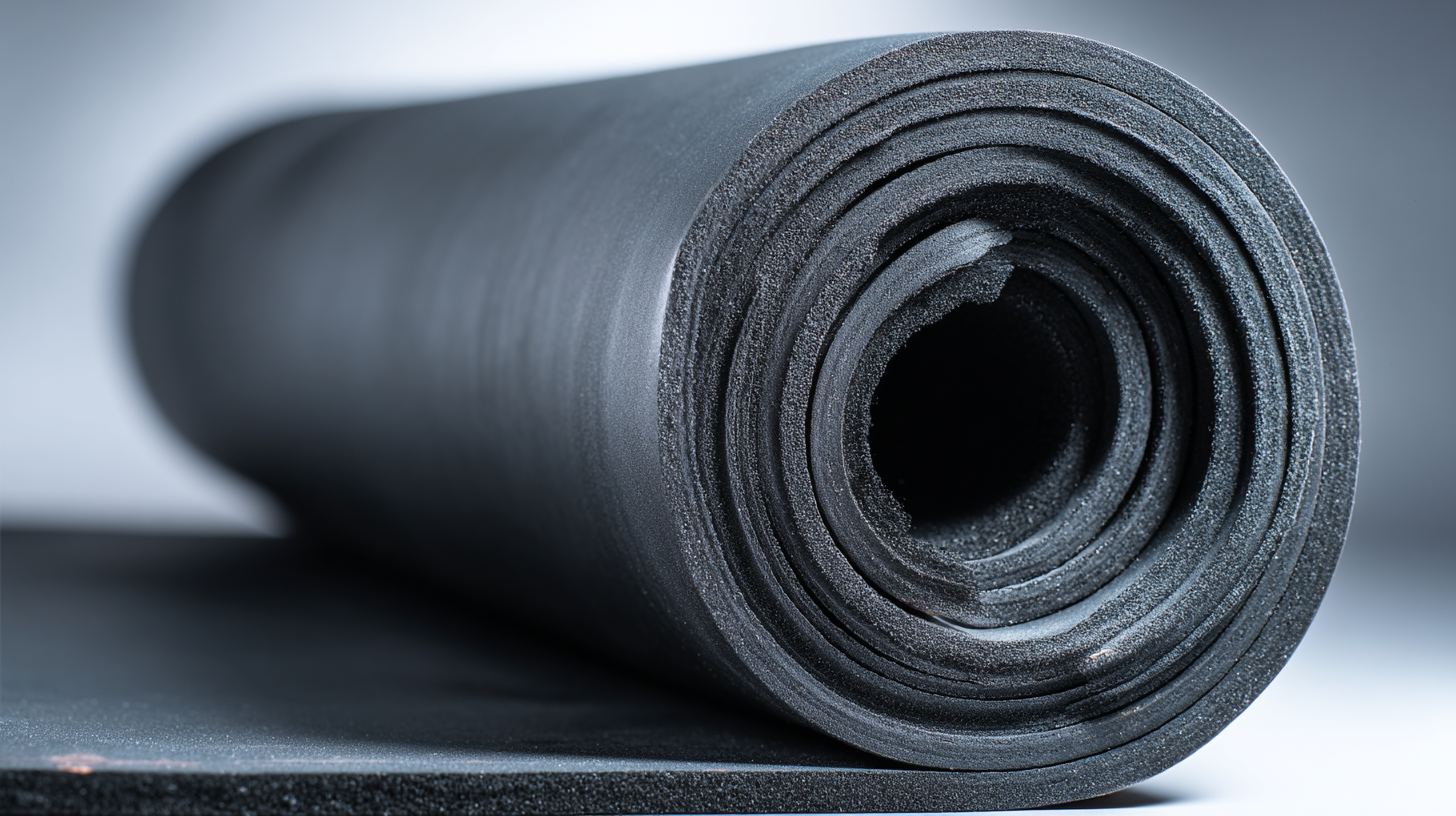
Maximizing Performance and Safety: Insights from Recent Studies on Rubber Tile Flooring for Weight Training Areas
In recent studies focusing on the safety and performance of flooring options in weight training areas, rubber tile flooring has emerged as a top contender. Specifically, the Rubber Tile Max Style offers an innovative design tailored to meet the rigorous demands of strength training environments. With a surface layer crafted from 2mm virgin rubber, it ensures durability and resilience, crucial for areas where heavy weights are routinely lifted.
The unique construction of the Max Style tiles, featuring a bottom layer composed of 16 mesh rubber tire granules, is engineered using advanced HT&HP technology. This combination not only maximizes shock absorption but also significantly reduces noise, creating a more comfortable and focused workout atmosphere. The flooring’s strong support strength and excellent friction properties make it a reliable choice for free weight zones, where safety and stability are paramount during high-impact movements.
Choosing the right flooring is essential for optimizing performance while minimizing injury risk. By investing in Rubber Tile Max Style, gym owners and fitness enthusiasts alike can enhance their training experience. This flooring solution not only meets industry standards but also elevates the overall safety and functionality of weight training spaces, allowing users to focus on their fitness goals without compromise.
FAQS
: High-density rubber rolls are renowned for their exceptional durability and shock-absorption properties, making them ideal for weightlifting areas.
The demand is projected to grow by 4.4% annually through 2025 due to increased awareness of health and fitness, as well as the expansion of gymnasiums and fitness centers.
Eco-friendly rubber rolls made from recycled materials are increasingly popular among buyers looking for sustainable options.
These rubber rolls are critical for ensuring athlete safety during intense workouts, preventing slips and falls.
Sustainable practices help minimize ecological footprints and contribute to the long-term viability of the rubber supply chain.
Advancements allow for the development of synthetic rubber alternatives that are less harmful to the environment, along with biodegradable composites and recycled materials.
Buyers should assess both the mechanical properties and the environmental implications of the rubber materials they choose.
Staying informed helps buyers make choices that enhance performance while reducing environmental impact.
It helps identify opportunities for enhancing sustainability and minimizing environmental footprints throughout the manufacturing process.
Buyers should seek suppliers who prioritize sustainable latex sourcing, efficient processing methods, and responsible waste management.
Conclusion
In the fast-paced world of sports and fitness, understanding the key details about rubber rolls is actually pretty important for buyers around the globe. This post dives into the different types of rubber rolls — talking about their perks and where they’re typically used across various industries. If you’re shopping around, you'll get a sense of how natural and synthetic rubber stack up against each other, so you can pick the right one for your specific needs. Plus, taking a close look at how durable and performative these options are helps you spot the good quality stuff. Of course, cost matters too — it’s all about investing in something that pays off in the long run. And, as everyone’s talking about being eco-friendly these days, we’ll also touch on greener manufacturing options, which is pretty cool considering the growing push for sustainability. When you get a handle on all these points, making smart, informed choices becomes way easier — whether you're aiming to improve your training setup or boost overall performance.