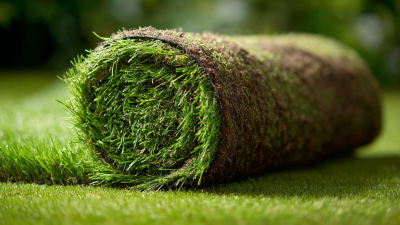
In the colorful world of **Artificial Grass Carpet**, staying innovative and maintaining quality are pretty much everything. Industry pro James Smith puts it simply: "Picking the right factory is super important if you want top-quality Artificial Grass." With more people and businesses loving synthetic grass these days, lots of companies are on the hunt for trustworthy OEM factories all over the globe. Knowing the manufacturing scene a bit better can really help you make smarter decisions.
China keeps kicking butt in this area, honestly. They have advanced tech and a whole bunch of factories dedicated to doing things right. Plus, there's a real focus on sustainability and being eco-friendly. These companies are always trying out new tech to speed up production and improve quality. But, here’s the tricky part — not every factory's standards are the same, so it’s really worth checking out their certifications like ISO and CE. Not all meet these marks.
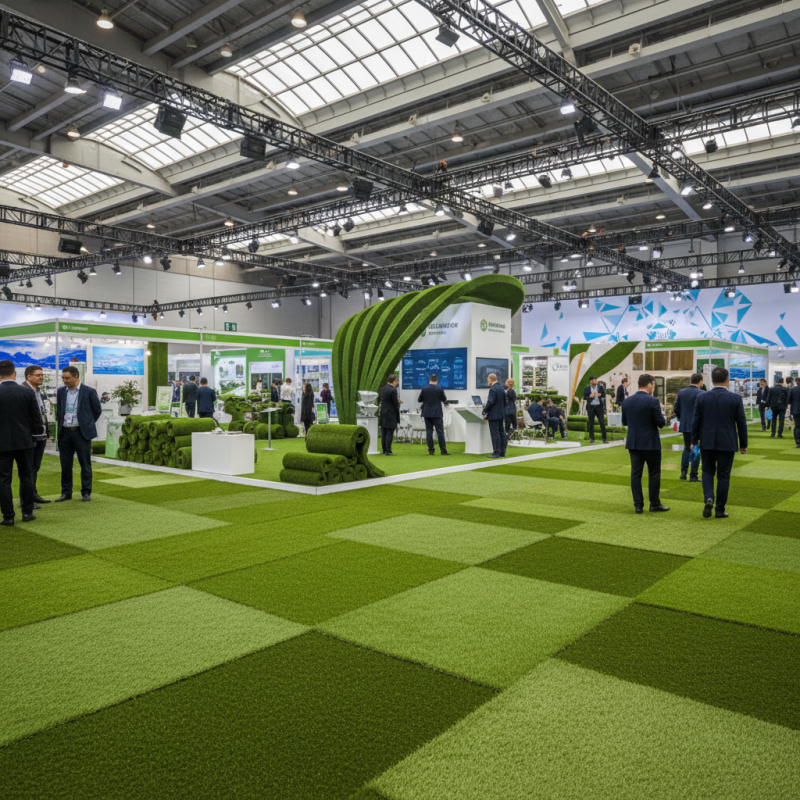
Now, if you're thinking ahead, the 2026 Canton Fair is definitely a must-visit. It’s a fantastic chance to get a look at some of the best factories out there. Plus, you can use AI tools to make your searching easier and faster, helping you find vendors that actually fit what you need. The fair is packed with innovations in textiles and the latest manufacturing tricks. But as you navigate through all this info, you gotta ask yourself — are you really in the know about your suppliers' practices? Every little detail counts when you’re investing in **Artificial Grass Carpet** solutions, so don’t overlook the important stuff.
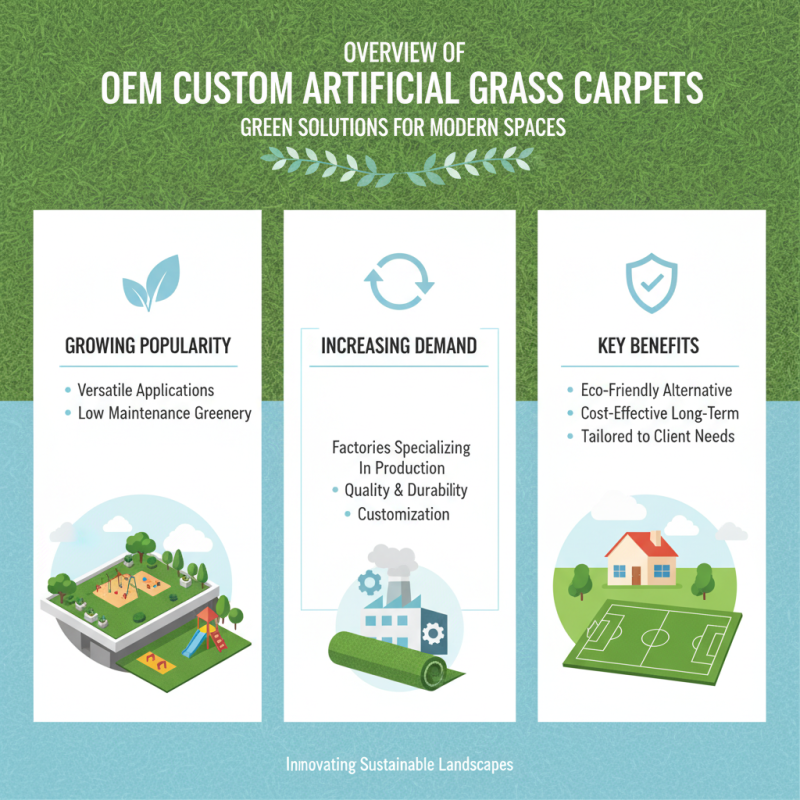
OEM custom artificial grass carpets are gaining popularity for various applications. They provide a green solution where natural grass is difficult to maintain. With increasing demand, several factories specialize in the production of these carpets. They focus on quality, durability, and customization to meet client needs.
Each manufacturer offers unique features. Some focus on realistic textures, while others emphasize durability against extreme weather. The use of advanced materials enhances the carpet's lifespan. Clients often seek specific colors or pile heights for their projects. However, not all factories maintain consistent quality control. This inconsistency can lead to dissatisfaction among buyers.
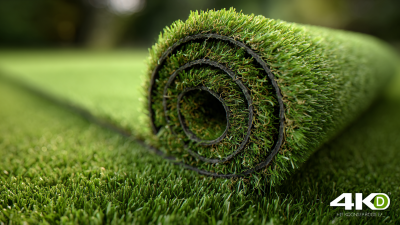
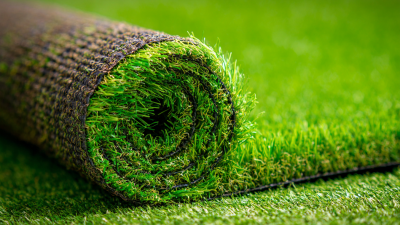
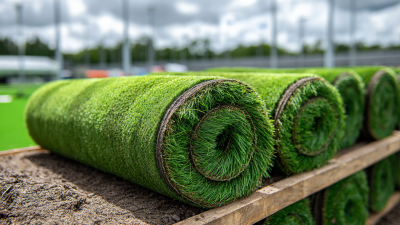
Choosing an OEM partner requires careful consideration. Potential clients should evaluate samples from different manufacturers. Understanding manufacturing processes is crucial. Some factories may lack transparency in their practices. A reliable OEM can provide valuable insights. They can also help in selecting the right Artificial Grass Carpet Roll for various landscapes. It's essential to ask questions and clarify expectations before making a decision. This way, clients can avoid pitfalls in this growing market.
Choosing the right manufacturer for OEM custom artificial grass carpets is crucial. The manufacturer you select can impact the quality of the final product. High-quality grass yields better performance and durability. It’s essential to research potential factories thoroughly. Look at their production processes and materials.
Tips: Verify certifications. Make sure they comply with industry standards. Knowing this can prevent future issues. Sometimes, factories promise more than they deliver. Set clear expectations and guidelines before partnering.
Quality control is another key factor. Ensure the manufacturer has stringent quality checks in place. This can help avoid defective products. Discuss timelines and production capabilities openly. Transparency can highlight any potential red flags early on.
Investing time in finding the right manufacturer pays off. A great partner supports your vision. They can help to create unique offerings that stand out. Engaging with them in dialogue about their experiences fosters accountability. An ideal relationship is built on trust and open communication.
When selecting the top OEM custom artificial Grass Carpet factories, a few criteria can help guide your decision. Quality control is essential. Factories must have stringent quality checks in place. This ensures that the final product meets industry standards. Look for certifications that prove their commitment to quality. Without these, trust can be an issue.
Production capacity is another vital factor. A factory must be able to handle large orders efficiently. Consider their facility size and technology. Automated processes often lead to better precision. However, relying too heavily on machines can lead to overlooking craftsmanship. Balance is important here.
Sustainability practices are gaining importance. Factories that prioritize eco-friendly materials and processes will have a competitive edge. However, verify their claims through third-party audits. Too often, companies make sustainability claims that fall short. Assess the factory’s transparency regarding its production methods and material sources. This will help ensure the quality and integrity of your Grass Carpet.
When exploring the landscape of OEM custom artificial grass carpet factories, it's essential to consider what sets top manufacturers apart. A report by MarketsandMarkets indicates that the global artificial grass market is projected to reach USD 4.8 billion by 2027. This growth is driven by increasing demand in both residential and commercial sectors. Several factories have capitalized on this trend by offering tailored solutions.
In this competitive market, quality remains a constant challenge. Many factories are adapting innovative technologies to enhance product durability. However, not all succeed. Discrepancies in manufacturing processes can lead to variations in quality. For instance, some factory samples may look beautiful, yet do not perform well under stress. Industry analysts often emphasize the significance of rigorous quality control procedures.
Moreover, customization is key in meeting consumer expectations. Factories that provide diverse options tend to thrive. This could mean varying pile heights or color blends. Yet, some factories still struggle to offer sufficient customization. They may rely too heavily on standard designs. Understanding regional preferences is vital but often overlooked. Therefore, reflecting on these aspects is crucial for staying competitive in the evolving market.
In recent years, the production of Fake Grass Carpet has undergone significant transformation. A wave of innovative technologies is reshaping how artificial grass is made. Advanced materials are now being used, enhancing durability and realism. Manufacturers are increasingly utilizing environmentally friendly materials to satisfy growing eco-conscious consumers. This approach not only reduces plastic waste but also appeals to those who prioritize sustainability.
Another noteworthy trend is the introduction of advanced tufting machines. These machines offer precise control over the grass's height and density. This level of customization allows factories to cater more effectively to diverse consumer preferences. However, this technology's implementation can initially be challenging. Some factories struggle with calibration, affecting quality.
3D printing is also gaining traction in the industry. It allows for creating unique designs and textures. Yet, this technology is still in its infancy. Many manufacturers are experimenting, and results can vary. This inconsistency often leads to unexpected challenges during production. Balancing innovation with quality remains a task that requires careful consideration. As the industry evolves, the quest for the perfect Fake Grass Carpet continues.
Sustainability is becoming key in artificial grass production. Many factories are adopting eco-friendly materials. They focus on recycling and waste reduction. For instance, using reclaimed materials can cut down on new resource consumption. Some factories even run on renewable energy sources.
However, not all practices are perfect. Certain factories still rely on traditional manufacturing methods. This raises questions about their long-term sustainability efforts. While some incorporate innovative processes, others fall behind. The impact on the environment varies widely.
Water conservation is another area for improvement. Many factories utilize water-efficient techniques in their operations. Yet, some still waste significant amounts of water. That's a problem needing attention. As the demand for artificial grass grows, sustainable practices must evolve too.
The artificial grass manufacturing industry is evolving rapidly. Technologies, such as advanced fiber production and eco-friendly materials, are transforming this sector. Industry reports indicate that the global market for artificial turf will reach $4 billion by 2025. Improved durability and realistic aesthetics are key trends. These features attract both residential and commercial customers.
Tips: Focus on suppliers using sustainable practices. It's a growing concern among consumers. Selecting the right partner can impact your reputation. Pay attention to environmental certifications. They indicate commitment to greener manufacturing processes.
The demand for Artificial Turf Carpet is rising. Homeowners seek low-maintenance options that enhance their landscapes. However, not all products meet quality standards. Cheaper alternatives may lead to short-term savings, but they compromise longevity. Investing in high-quality fibers ensures durability and better performance. Many buyers overlook this crucial aspect. They may end up dissatisfied with their choice.
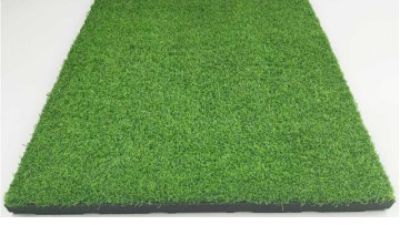
When it comes to maximizing training efficiency in modern gyms, the choice of flooring plays a critical role. The innovative combination of a durable turf surface layer with a shock-absorbing rubber base creates a distinctive training environment that caters to various functional workouts. This flooring system is designed to support activities that demand both performance and comfort, allowing athletes to push their limits during sled pushes and agility drills without compromising safety.
The realistic feel of the artificial grass top enhances the workout experience, mimicking natural turf while providing essential stability. The rubber backing not only absorbs impact, protecting joints during high-intensity training, but it also minimizes noise, creating a more conducive environment for focused workouts. This blend of style and functionality ensures that any training zone not only meets the physical demands of its users but also resonates with aesthetic appeal, making it an ideal choice for fitness enthusiasts looking to elevate their gym space.
Whether you are setting up a personal training area or a commercial gym, this flooring solution is tailored to enhance performance while ensuring the safety and comfort of users. Its versatile design accommodates a variety of training styles, fostering an engaging environment that inspires athletes to train harder and achieve their fitness goals.
: They are popular for areas where natural grass is hard to maintain. They offer a green, low-maintenance solution.
The manufacturer affects product quality and durability. Research potential factories carefully before deciding.
Verify certifications and compliance with industry standards. It's crucial for preventing future quality issues.
Ensure stringent quality checks are in place. This reduces the risk of receiving defective products.
Set clear guidelines with the manufacturer upfront. Transparency helps prevent misunderstandings and dissatisfaction.
No, some factories may have inconsistent quality control. This can lead to buyer dissatisfaction and reflections on choices made.
Research helps uncover production processes and material quality. It might reveal potential risks early.
Advanced materials enhance durability against wear and harsh weather. This is vital for long-lasting performance.
Poor communication might cause misaligned expectations. This could lead to disappointing results or delays.
Yes, customization options like colors and pile heights are available. It’s important to specify your needs clearly.
The article "Top 10 OEM Custom Artificial Grass Carpet Factories You Should Know" provides an overview of the significance of selecting the right manufacturer for artificial grass carpets. It emphasizes that choosing a reputable OEM factory is crucial for ensuring quality and performance in artificial grass products. Key criteria for selecting top manufacturers include their production capabilities, technological innovations, and sustainable practices.
Furthermore, the article highlights the innovative technologies driving advancements in artificial grass production, as well as the sustainability practices adopted by leading grass factories. As the industry continues to evolve, future trends are projected to shape the manufacturing landscape, enhancing the quality and environmental friendliness of artificial grass carpets. Understanding these factors helps buyers make informed decisions in a competitive market.